
 The World's Healthiest Foods are health-promoting foods that can change your life.
Try our exciting new WHFoods Meal Plan.
The World's Healthiest Foods are health-promoting foods that can change your life.
Try our exciting new WHFoods Meal Plan.
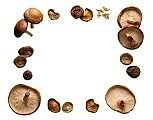
At WHFoods, we include mushrooms as vegetable subgroup among our 38 WHFoods vegetables because we think about this food in a very common sense way. Most people have become used to finding shiitake mushroom in the produce section of the grocery, surrounded by many other types of vegetables. However, we realize that from a scientific perspective, mushrooms are not considered to be either plants or animals but have their own special kingdom of life called the fungi kingdom. For this reason, we understand why some people might feel like it is technically incorrect to include shiitake mushrooms among a vegetable group where all of the other vegetables are classified as plants. But in terms of the grocery store and the kitchen, we think it makes sense to think about shiitake and other mushrooms as part of the vegetable group.
Our WHFoods optimal intake level for vegetables is 10 total servings per day. Many different vegetable subgroup combinations can be used to reach this 10-serving total. Included are cruciferous vegetables, allium vegetables like garlic and onions, leguminous vegetables like green beans and green peas, and of course mushrooms—including shiitake mushrooms. In our World's Healthiest Foods Meal Plan, we include both shiitake and crimini mushrooms in World's Healthiest Foods Meal Plan Recipes. For the entire week, we include 3/4 cup of fresh sliced and sautéed shiitake mushrooms. While we do not specify a minimum level of weekly intake for either shiitake or crimini mushrooms in our Vegetable Advisor (or anywhere on our website), we recommend inclusion of mushrooms in your total weekly vegetable servings based on their unique nutrient composition and equally unique health benefits.
When thinking about the health benefits of shiitake mushrooms, it's worth remembering that this food does not belong either to the plant family or to the animal family but to its own separate group of life forms known as fungi. (From a science perspective, shiitake mushrooms are classified as "macrofungi" since they are large compared with other microorganisms and can easily be seen without the help of a microscope.) In some ways, fungi like shiitake mushrooms are actually closer to animals than to plants because they can synthesize glycogen (a storable form of starch) in the same way as animals. This feature of fungi often provides them with many unique nutrients in the carbohydrate category. In addition, because shiitake often make their home on hardwood trees, they have special enzyme systems for breaking down wood components, and these systems also provide them with unique nutrient features. The chart below summarizes some of the better-studied unique nutrients in shiitake.
| Name of Substance | Nutrient Category |
|---|---|
| beta-glucans | polysaccharides |
| carvacrol | monoterpenoid-derived phenols |
| copalic acid | diterpenoids |
| ergothioneine | amino acid derivatives |
| eritadenine | alkaloids |
| lentiavidins | proteins |
| lentinan | specific member of the beta-glucan polysaccharides |
Among the nutrients listed above, lentinan and its fellow beta-glucans have received special research attention. These unique polysaccharide nutrients have been shown to have antioxidant and anti-inflammatory properties, within the digestive tract, within the bloodstream, and in whole body metabolism involving a variety of different body systems. While we will be addressing more specifics about this unique list of nutrients and their health benefits in the paragraphs below, we wanted to make sure that this particular collection of nutrients was seen for what it is: a unique and remarkable group of substances that provides many of the core health benefits from shiitake.
If we look only at conventional nutrients found in shiitake mushrooms, we can see impressive antioxidant benefits. As mentioned earlier, shiitake are our 4th best source of the antioxidant mineral copper at WHFoods. They are also our 4th best source of another antioxidant mineral—zinc. And this list of antioxidant minerals does not stop with zinc. Shiitake are also our 7th best source of the antioxidant mineral selenium. While you could get a higher-ranked source of selenium by choosing many of our fish, these foods drop down below shiitake mushrooms on our list of high-ranked zinc sources. Similarly, you could get a higher-ranked source of zinc by choosing beef from our WHFoods, but beef is far below shiitake mushrooms on our list of copper sources. So, it makes sense to think about shiitake mushrooms as a quite unusual source of multiple antioxidant minerals.
It's the more unusual nutrients in shiitake mushrooms, however, that provide this food with its antioxidant "claim to fame." For example, multiple studies have linked broad antioxidant and free-radical scavenging activity with intake of shiitake mushrooms due to their high beta-glucan content. Also interesting in this context are studies that have found a greater degree of antioxidant activity to be associated with polysaccharides from shiitake mushrooms that contain disproportionally high amounts of the sugars rhamnose and mannose. Alongside of their glucan content, shiitake mushrooms are known to provide us with phenolic antioxidants (like ferulic and capolic acid), and terpene-related antioxidants like carvacrol.
On the anti-inflammatory front, a growing number of studies have shown reduction in inflammation-related events following intake of shiitake mushrooms. As mentioned earlier in this profile, consumption of shiitake mushrooms in one recent study was determined not only to lower blood levels of the inflammatory messaging molecule MIP-1alpha (macrophage inflammatory protein 1alpha), but also to raise blood levels of anti-inflammatory molecules including interleukin-4 and -10, and interleukin-1alpha (IL-4, IL-10, and IL-1a). Additionally, many of the phenolic acids provided by shiitake mushrooms have been determined to provide anti-inflammatory benefits.
In many areas of decreased disease risk—including risk of certain cancers, cardiovascular diseases, immune system problems, and type 2 diabetes—we have pieces of evidence (often from lab studies on cell cultures or from studies on mice or rats) about the likely role played by shiitake mushroom intake in helping to prevent chronic disease. However, most of these studies involve either purified components from shiitake mushrooms or shiitake mushroom extracts rather than dietary intake of these mushrooms in whole food form. For all of the reasons above, we have referred to research in the areas described below as demonstrating potential health benefits, and we look to future studies to confirm these benefits for people who enjoy eating shiitake mushrooms in food form in their diet.
Potential immune system benefits from shiitake mushrooms have been a focus in recent studies involving an immune-related messaging molecule called interleukin-23 (IL-23). IL-23 is one of the messaging molecules produced by the immune system's dendritic cells. A key role of our dendritic cells is to help process potentially allergenic or harmful substances and present them to other immune cells for neutralization. In animal studies, intake of shiitake mushroom extracts has been shown to increase IL-23 levels, and by increasing these levels, they also help to improve the recognition of potentially allergenic or harmful substances, particularly in the lower part of the digestive tract. Researchers believe that this ability of shiitake mushrooms to improve gut immunity may also apply to humans who consume shiitake mushrooms in whole food form and ordinary amounts.
Two other substances in shiitake mushrooms that seem important to mention in this immune system context are conjugated linoleic acid (CLA) and ergothioneine, a sulfur-containing derivative of the amino acid histidine. Both of these substances have been shown to have immune-related properties and are regarded as providing immune support.
Numerous lab studies on cancer cell lines have shown the ability of shiitake mushroom extracts to inhibit tumor growth. Researchers have also linked the unique polysaccharide content of shiitake mushrooms to these tumor-inhibiting results. To date, potential benefits of shiitake mushrooms for reduced risk of colon cancer have been a primary area of interest, but we expect to see other types of cancer investigated in this context as well.
An area of strong shiitake mushroom interest that partially overlaps with investigation of cancers involves the role of microorganisms in promotion of chronic inflammation and subsequent elevation of cancer risk. Unwanted overgrowth of certain microorganisms can cause chronic inflammation and infection; through these processes, they can increase cancer risk. Countering this type of risk are some of the unique sulfur compounds found in shiitake mushrooms, which have been shown to possess antiviral, antibacterial, and antifungal properties. These antimicrobial properties in shiitake mushrooms may turn out to play an important role in the cancer-preventing potential of this food.
As mentioned earlier in this profile, researchers know that eritadenine—a purine-based alkaloid in shiitake mushrooms—is able to reduce activity of an enzyme related to regulation of blood pressure known as ACE (angiotensin-converting enzyme). When ACE is fully active, our blood vessels become constricted, and this constriction gives our blood less space in which to flow; as a result of this, our blood pressure increases. By blocking ACE activity, the eritadenine in shiitake mushrooms helps achieve the opposite effect: blood vessel constriction is prevented, our blood vessels maintain a wider diameter providing for more space for our blood to pass through, and an increase in our blood pressure is prevented. Not surprisingly, many researchers conclude that shiitake mushrooms provide us with cardiovascular support through improved regulation of blood pressure.
Also important on this cardiovascular front are the unique sulfur compounds present in shiitake mushrooms. Shiitake mushrooms appear to have their own unique sulfur-metabolizing enzyme that falls into the category of enzymes known as the "cysteine desulfurases." These enzymes are responsible for taking the sulfur in cysteine amino acids and helping incorporate it into other metabolic activities. These unique sulfur-related metabolic activities in shiitake mushrooms have been linked to several different aspects of cardiovascular function, including the degree to which our platelet cells clump together (or "aggregate") in our blood stream. In general, studies on shiitake show a potential for better control of platelet aggregation when shiitake mushroom extracts are included in the diets of lab animals.
Improved regulation of blood sugar levels and insulin secretion has been a research finding in multiple animal studies involving consumption of shiitake mushroom extracts. While many components of shiitake mushrooms may contribute to these helpful effects, it should not be surprising that these mushrooms can be helpful for controlling our blood sugar. Shiitake mushrooms is a good source of fiber and provides us with 1.5 grams for only 51 calories. We also know that many shiitake mushroom polysaccharides do not get broken down in our upper digestive tract, so their simple sugars do not get released for absorption up into our bloodstream. Both of these factors point to a food that would be helpful in blood sugar regulation. However, it will take large-scale studies on human participants consuming shiitake mushrooms in their routine diet to determine whether intake of this food is a reliable way to lower our risk of type 2 diabetes or related health problems.
As part of the kingdom of living things that we call fungi, shiitake mushrooms are neither plants nor animals but have their own separate category as a life form. Among the 100 foods that we profile on our website, only two are fungi (shiitake and crimini mushrooms). It is their membership in this unique group that gives shiitake mushrooms many of their unique nutrient and health benefits.
The part of shiitake mushrooms that we eat is actually the fruit of the fungus. The main body of the fungus consists of a fabric-like mass of thin white strands, and these strands are the part that colonizes dead fallen trees, tree stumps, and other decaying organic matter in forests and other habitats. Like all fungi, shiitake mushrooms use spores to reproduce. Because the defense systems in living trees can detect the presence of shiitake mushroom spores and prevent their growth, fungi like shiitake mushrooms need decaying trees or other forms of decaying matter in order to grow. This reliance on decaying matter for growth is what classifies them as a "saprophytic" mushroom along with many fellow mushrooms, including crimini, enokitake, maitake, oyster, paddy straw, portobello, Lion's mane, and reishi.
The unique growing conditions for shiitake mushrooms have given rise to ongoing debate about commercial methods for producing shiitake mushrooms. In a natural setting, fallen hardwood trees (or their branches or stumps) provide the best growth spots for shiitake mushrooms due to the higher density of the wood in hardwood trees. Examples of hardwoods include oak, chestnut, hickory, eucalyptus, alder, ash, beech, and perhaps most famously, the Japanese Chinquapin (Castanopsis cuspidate), also called the "shii" tree and long-documented as the tree from which shiitake mushrooms received their name.
Not only do many commercial producers of organic shiitake mushrooms favor production using hardwood tree logs, but many lovers of shiitake mushroom find major differences in taste from log-grown shiitake versus shiitake grown under other conditions. Since shiitake mushrooms can grow on various types of decaying matter, faster and easier methods for large-scale shiitake cultivation have been developed by growers. Many of these methods use sawdust and a grain additive (for example, wheat bran) that can be mechanically processed and mechanically routed into a plastic bag. This sawdust-filled plastic bag can then be used in place of an intact hardwood log as the growth environment for shiitake. We have not seen detailed journal studies on the nutritional differences between log-grown and sawdust-grown shiitake mushrooms, and of course, many other variables besides tree versus sawdust would need to be evaluated in order to investigate nutritional differences. But we can say with confidence that shiitake mushrooms are no different than any of our other WHFoods in terms of their reliance on high-quality, natural growth conditions. Whether we are talking about pasture-raised chicken, grass-fed beef, organically grown vegetables, or traditionally fermented tofu, there are qualitative differences in the foods we enjoy that always point back to the quality of their growing conditions. And using this logic, we would expect future studies to show some nutritional advantages to log-grown shiitake. While not always the case, smaller, local producers of organic shiitake mushrooms are more likely to have used log-based growing conditions than very large-scale producers who export the mushrooms worldwide.
When purchased in dried form, a second important issue related to shiitake mushrooms is the method used for drying. Worldwide, hot air drying is the most common method used for drying fresh shiitake mushrooms. However, other methods for shiitake mushroom drying have also been developed, including vacuum drying, microwave drying, and microwave vacuum drying. We've seen one study showing improved retention of taste-related amino acids and sulfur compounds from microwave drying (when compared to these other commercial methods). The most longstanding method for drying shiitake mushrooms, of course, is sun drying. Like the lack of information on nutritional differences from log versus sawdust growing, there is a lack of research information on nutritional differences from sun drying versus other drying methods. It's worth pointing out, however, that in many regions of the world where shiitake mushrooms are grown commercially, sun drying would not be possible due to local climate. Also worth noting is the reliance of many large-scale sun-drying operations on additional equipment and/or construction of buildings designed to optimize the drying process. In these cases, it might be more accurate to use the term "solar assisted drying" or "solar-based drying" rather than the simple description of "sun dried."
In appearance, shiitake mushrooms have brown, slightly convex caps that range in diameter from about two to four inches. When young and freshly fruited, shiitake mushrooms tend to have darker colored tops which are rounder in shape. But as the fruit develops, it tends to lighten in shade and flatten out. The underside of shiitake mushrooms (called the gills) are mostly pale white in color.
The scientific name for shiitake is Lentinula edodes. You will also see the genus portion of this name—"Lentinula"—appearing as "Lentinus" since that designation was the first to be used historically. The family to which shiitake mushrooms belong is called the Marasmiaceae, and these mushrooms also belong to the Basidiomycota division of the Fungi Kingdom.
While we have documented evidence of shiitake cultivation as early as 1100 AD during the Sung Dynasty in China, cultivation of this mushroom may have begun long before this time. As a fungus native to East Asia, and particularly in the more tropical regions, it's not surprising to find it appearing as a popular food in many East Asian countries, including China, Japan, and Korea. It's also worth noting that shiitake mushroom has an equally long history of medicinal use in many of these same countries.
Today, China is by far the world's largest producer of shiitake mushrooms, supplying 80-90% of all those commercially sold. Many other countries produce smaller amounts of these mushrooms, including Korea, Japan, Brazil, and the United States. On a global basis, approximately 150,000 tons of shiitake mushrooms are produced each year.
Within the United States, crimini ("button") mushrooms are by far the most widely produced and widely consumed type of mushroom. When all types of mushrooms are taken into account, U.S. per capita consumption has increased from about 2.5 pounds per year in the 1970's to about 4 pounds per year today.
Shiitake mushrooms are available in many grocery stores throughout the country.
Look for mushrooms that are firm, plump and clean. Those that are wrinkled or have wet slimy spots should be avoided.
At WHFoods, we encourage the purchase of certified organically grown foods, and shiitake mushrooms are no exception. Repeated research studies on organic foods as a group show that your likelihood of exposure to contaminants such as pesticides and heavy metals can be greatly reduced through the purchased of certified organic foods, including shiitake mushrooms. In many cases, you may be able to find a local organic grower who sells shiitake mushroom but has not applied for formal organic certification either through the U.S. Department of Agriculture (USDA) or through a state agency. (Examples of states offering state-certified organic foods include California, New York, Oregon, Vermont, and Washington.) However, if you are shopping in a large supermarket, your most reliable source of organically grown shiitake mushrooms is very likely to be shiitake mushrooms that display the USDA organic logo.
The best way to store loose shiitake mushrooms is to keep them in the refrigerator in a loosely closed paper bag. They will keep fresh for about one week. Dried mushrooms should be stored in a tightly sealed container in either the refrigerator or freezer where they will stay fresh for six months to one year.
Here is some background on why we recommend refrigerating shiitake mushrooms. Whenever food is stored, four basic factors affect its nutrient composition: exposure to air, exposure to light, exposure to heat, and length of time in storage. Vitamin C, vitamin B6, and carotenoids are good examples of nutrients highly susceptible to heat, and for this reason, their loss from food is very likely to be slowed down through refrigeration.
Mushrooms are very porous, so if they are exposed to too much water they will quickly absorb it and become soggy. Therefore, the best way to clean mushrooms without sacrificing their texture and taste is to clean them using minimal, if any, water. To do this, simply wipe them with a slightly damp paper towel or kitchen cloth. You could also use a mushroom brush, available at most kitchenware stores.
If the fresh mushrooms become dried out because of being stored for too long, soak them in water for thirty minutes.
We recommend Healthy Sautéeing shiitake mushrooms. We feel that this method also gives shiitake mushrooms maximum flavor.
Healthy SautéQuick Steaming—similar to Quick Boiling and Quick Steaming, our other recommended cooking methods—follows three basic cooking guidelines that are generally associated in food science research with improved nutrient retention. These three guidelines are: (1) minimal necessary heat exposure; (2) minimal necessary cooking duration; (3) minimal necessary food surface contact with cooking liquid.
Heat 3 TBS of broth over medium heat in a stainless steel skilled. When broth begins to steam add sliced mushrooms and Healthy Sauté for 7 minutes. It is best to stir constantly for the last 4 minutes of cooking. Toss with our Mediterranean Dressing and your favorite optional ingredients. For details see, Healthy Sautéed Shiitake Mushrooms.
If you'd like even more recipes and ways to prepare shiitake mushrooms the Nutrient-Rich Way, you may want to explore The World's Healthiest Foods book.
Unique nutrients in shiitake mushrooms include glucan polysaccharides (including beta-glucans like lentinan), terpenoid-related nutrients like copalic acid, amino acid derivatives like ergothioneine, and many other unique compounds. While shiitake mushrooms are an excellent source of the minerals copper and selenium, they also provide a very good amount of zinc, and we consider them to be unusual in this mineral combination. Shiitake mushrooms provides a rich combination of B vitamins, including excellent amounts of B2 and pantothenic acid, and good amounts of B3, B6, folate and choline. While we cannot provide a reliable quantity for the about of biotin in shiitake mushrooms, we are confident that this B vitamin is also present in these mushrooms. Rounding out the nutrient contributions of shiitake mushrooms are its good levels of manganese, vitamin D, and fiber.
|
Mushrooms, Shiitake, cooked
0.50 cup 72.50 grams
Calories: 41
GI: not available |
||||
| Nutrient | Amount | DRI/DV (%) |
Nutrient Density |
World's Healthiest Foods Rating |
|---|---|---|---|---|
| copper | 0.65 mg | 72 | 32.0 | excellent |
| pantothenic acid | 2.61 mg | 52 | 23.1 | excellent |
| selenium | 17.98 mcg | 33 | 14.5 | excellent |
| vitamin B2 | 0.12 mg | 9 | 4.1 | very good |
| zinc | 0.96 mg | 9 | 3.9 | very good |
| vitamin B6 | 0.12 mg | 7 | 3.1 | good |
| vitamin B3 | 1.09 mg | 7 | 3.0 | good |
| manganese | 0.15 mg | 7 | 2.9 | good |
| choline | 26.68 mg | 6 | 2.8 | good |
| fiber | 1.52 g | 5 | 2.4 | good |
| vitamin D | 20.30 IU | 5 | 2.2 | good |
| folate | 15.22 mcg | 4 | 1.7 | good |
| World's Healthiest Foods Rating |
Rule |
|---|---|
| excellent | DRI/DV>=75% OR Density>=7.6 AND DRI/DV>=10% |
| very good | DRI/DV>=50% OR Density>=3.4 AND DRI/DV>=5% |
| good | DRI/DV>=25% OR Density>=1.5 AND DRI/DV>=2.5% |
|
Mushrooms, Shiitake, cooked (Note: "--" indicates data unavailable) |
||
| 0.50 cup (72.50 g) |
GI: not available | |
| BASIC MACRONUTRIENTS AND CALORIES | ||
|---|---|---|
| nutrient | amount | DRI/DV (%) |
| Protein | 1.13 g | 2 |
| Carbohydrates | 10.43 g | 5 |
| Fat - total | 0.16 g | 0 |
| Dietary Fiber | 1.52 g | 5 |
| Calories | 40.60 | 2 |
| MACRONUTRIENT AND CALORIE DETAIL | ||
| nutrient | amount | DRI/DV (%) |
| Carbohydrate: | ||
| Starch | -- g | |
| Total Sugars | 2.78 g | |
| Monosaccharides | 0.00 g | |
| Fructose | 0.00 g | |
| Glucose | 0.00 g | |
| Galactose | 0.00 g | |
| Disaccharides | 0.00 g | |
| Lactose | 0.00 g | |
| Maltose | 0.00 g | |
| Sucrose | 0.00 g | |
| Soluble Fiber | -- g | |
| Insoluble Fiber | -- g | |
| Other Carbohydrates | 6.13 g | |
| Fat: | ||
| Monounsaturated Fat | 0.05 g | |
| Polyunsaturated Fat | 0.02 g | |
| Saturated Fat | 0.04 g | |
| Trans Fat | 0.00 g | |
| Calories from Fat | 1.44 | |
| Calories from Saturated Fat | 0.33 | |
| Calories from Trans Fat | 0.00 | |
| Cholesterol | 0.00 mg | |
| Water | 60.52 g | |
| MICRONUTRIENTS | ||
| nutrient | amount | DRI/DV (%) |
| Vitamins | ||
| Water-Soluble Vitamins | ||
| B-Complex Vitamins | ||
| Vitamin B1 | 0.03 mg | 3 |
| Vitamin B2 | 0.12 mg | 9 |
| Vitamin B3 | 1.09 mg | 7 |
| Vitamin B3 (Niacin Equivalents) | 1.14 mg | |
| Vitamin B6 | 0.12 mg | 7 |
| Vitamin B12 | 0.00 mcg | 0 |
| Biotin | -- mcg | -- |
| Choline | 26.68 mg | 6 |
| Folate | 15.22 mcg | 4 |
| Folate (DFE) | 15.22 mcg | |
| Folate (food) | 15.22 mcg | |
| Pantothenic Acid | 2.61 mg | 52 |
| Vitamin C | 0.22 mg | 0 |
| Fat-Soluble Vitamins | ||
| Vitamin A (Retinoids and Carotenoids) | ||
| Vitamin A International Units (IU) | 0.00 IU | |
| Vitamin A mcg Retinol Activity Equivalents (RAE) | 0.00 mcg (RAE) | 0 |
| Vitamin A mcg Retinol Equivalents (RE) | 0.00 mcg (RE) | |
| Retinol mcg Retinol Equivalents (RE) | 0.00 mcg (RE) | |
| Carotenoid mcg Retinol Equivalents (RE) | 0.00 mcg (RE) | |
| Alpha-Carotene | 0.00 mcg | |
| Beta-Carotene | 0.00 mcg | |
| Beta-Carotene Equivalents | 0.00 mcg | |
| Cryptoxanthin | 0.00 mcg | |
| Lutein and Zeaxanthin | 0.00 mcg | |
| Lycopene | 0.00 mcg | |
| Vitamin D | ||
| Vitamin D International Units (IU) | 20.30 IU | 5 |
| Vitamin D mcg | 0.51 mcg | |
| Vitamin E | ||
| Vitamin E mg Alpha-Tocopherol Equivalents (ATE) | 0.00 mg (ATE) | 0 |
| Vitamin E International Units (IU) | 0.00 IU | |
| Vitamin E mg | 0.00 mg | |
| Vitamin K | 0.00 mcg | 0 |
| Minerals | ||
| nutrient | amount | DRI/DV (%) |
| Boron | -- mcg | |
| Calcium | 2.17 mg | 0 |
| Chloride | -- mg | |
| Chromium | -- mcg | -- |
| Copper | 0.65 mg | 72 |
| Fluoride | -- mg | -- |
| Iodine | -- mcg | -- |
| Iron | 0.32 mg | 2 |
| Magnesium | 10.15 mg | 2 |
| Manganese | 0.15 mg | 7 |
| Molybdenum | -- mcg | -- |
| Phosphorus | 21.02 mg | 3 |
| Potassium | 84.82 mg | 2 |
| Selenium | 17.98 mcg | 33 |
| Sodium | 2.90 mg | 0 |
| Zinc | 0.96 mg | 9 |
| INDIVIDUAL FATTY ACIDS | ||
| nutrient | amount | DRI/DV (%) |
| Omega-3 Fatty Acids | 0.00 g | 0 |
| Omega-6 Fatty Acids | 0.02 g | |
| Monounsaturated Fats | ||
| 14:1 Myristoleic | 0.00 g | |
| 15:1 Pentadecenoic | 0.00 g | |
| 16:1 Palmitol | 0.01 g | |
| 17:1 Heptadecenoic | 0.00 g | |
| 18:1 Oleic | 0.02 g | |
| 20:1 Eicosenoic | 0.00 g | |
| 22:1 Erucic | 0.01 g | |
| 24:1 Nervonic | 0.00 g | |
| Polyunsaturated Fatty Acids | ||
| 18:2 Linoleic | 0.02 g | |
| 18:2 Conjugated Linoleic (CLA) | -- g | |
| 18:3 Linolenic | 0.00 g | |
| 18:4 Stearidonic | 0.00 g | |
| 20:3 Eicosatrienoic | 0.00 g | |
| 20:4 Arachidonic | 0.00 g | |
| 20:5 Eicosapentaenoic (EPA) | 0.00 g | |
| 22:5 Docosapentaenoic (DPA) | 0.00 g | |
| 22:6 Docosahexaenoic (DHA) | 0.00 g | |
| Saturated Fatty Acids | ||
| 4:0 Butyric | -- g | |
| 6:0 Caproic | -- g | |
| 8:0 Caprylic | -- g | |
| 10:0 Capric | 0.00 g | |
| 12:0 Lauric | 0.00 g | |
| 14:0 Myristic | 0.00 g | |
| 15:0 Pentadecanoic | -- g | |
| 16:0 Palmitic | 0.02 g | |
| 17:0 Margaric | -- g | |
| 18:0 Stearic | 0.01 g | |
| 20:0 Arachidic | -- g | |
| 22:0 Behenate | -- g | |
| 24:0 Lignoceric | -- g | |
| INDIVIDUAL AMINO ACIDS | ||
| nutrient | amount | DRI/DV (%) |
| Alanine | 0.06 g | |
| Arginine | 0.06 g | |
| Aspartic Acid | 0.08 g | |
| Cysteine | 0.02 g | |
| Glutamic Acid | 0.26 g | |
| Glycine | 0.04 g | |
| Histidine | 0.02 g | |
| Isoleucine | 0.04 g | |
| Leucine | 0.07 g | |
| Lysine | 0.03 g | |
| Methionine | 0.02 g | |
| Phenylalanine | 0.05 g | |
| Proline | 0.04 g | |
| Serine | 0.05 g | |
| Threonine | 0.05 g | |
| Tryptophan | 0.00 g | |
| Tyrosine | 0.03 g | |
| Valine | 0.05 g | |
| OTHER COMPONENTS | ||
| nutrient | amount | DRI/DV (%) |
| Ash | 0.25 g | |
| Organic Acids (Total) | -- g | |
| Acetic Acid | -- g | |
| Citric Acid | -- g | |
| Lactic Acid | -- g | |
| Malic Acid | -- g | |
| Taurine | -- g | |
| Sugar Alcohols (Total) | -- g | |
| Glycerol | -- g | |
| Inositol | -- g | |
| Mannitol | -- g | |
| Sorbitol | -- g | |
| Xylitol | -- g | |
| Artificial Sweeteners (Total) | -- mg | |
| Aspartame | -- mg | |
| Saccharin | -- mg | |
| Alcohol | 0.00 g | |
| Caffeine | 0.00 mg | |
Note:The nutrient profiles provided in this website are derived from The Food Processor, Version 10.12.0, ESHA Research, Salem, Oregon, USA. Among the 50,000+ food items in the master database and 163 nutritional components per item, specific nutrient values were frequently missing from any particular food item. We chose the designation "--" to represent those nutrients for which no value was included in this version of the database. |
||


Everything you want to know about healthy eating and cooking from our new book.

Order this Incredible 2nd Edition at the same low price of $39.95 and also get 2 FREE gifts valued at $51.95. Read more